




¡Pida sus ricos tamales oaxaqueños! is a famous street cry, and like the small trucks that drive around towns and cities calling for any old furniture or appliances you want to sell, has been recorded and is played on loudspeakers, not least for convenience.
It is, after all, easier for the purveyors of tamales from steaming urns on the front of tricycles to run the recording through a loudspeaker than to go hoarse after a morning of calling out their wares.
A food deeply rooted in Mexican culture
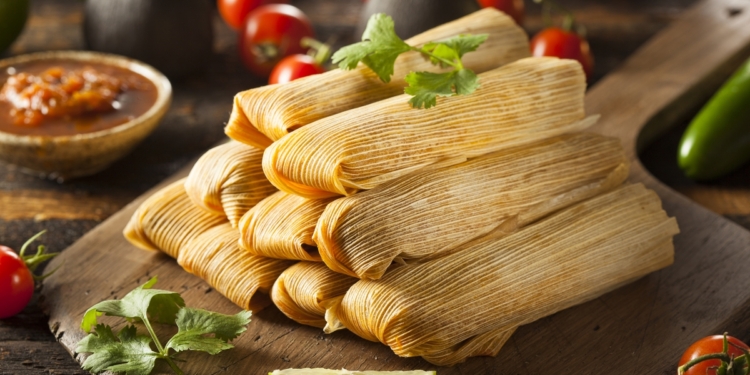
Tamales have a long history dating back to Aztec and Maya times. Made from a specially prepared corn dough, variously flavored with savory or sweet fillings and steamed in a corn husk or banana leaves, they’re a simple and nutritious food that is deeply engrained in Mexican food heritage. They’re also versatile; while often a favorite breakfast food accompanied by atole, they are good for any mealtime.
Tamales oaxaqueños are different from the most common tamales in that they come wrapped in dark green banana leaves, or occasionally in avocado leaves, and they are oblong-shaped and flat, whereas the traditional tamales wrapped in corn husks are cylindrical, more or less.
The flavor combinations are quite varied and most commonly include chicken in green sauce, chicken in mole, pork in red sauce, and de dulce—which are typically bright pink in color and contain raisins. Each Mexican state has its own take on them, as this article (Spanish) describes.
Tamales and Spanish language
In Spanish, the singular of tamales is tamal: Un tamal, dos tamales.
Somehow the ‘e’ got retained in the English transliteration of this food, so you can ask someone if they want “a tamale” in English.
However, asking “¿Quieres un tamale?” in Mexico might elicit a smirk.
Tamales and Candlemas on February 2nd
It’s a Mexican tradition that whoever gets a plastic baby Jesus doll in their slice of Rosca de Reyes on January 6th has to buy tamales and host a party on February 2nd, Día de la Candelaria —Candlemas— that marks the presentation of Jesus in the temple.
The choice of tamales at Candlemas goes back to times of Spanish colonial rule and the evangelization of the indigenous population. Tamales were presented as offerings to the gods of the Aztecs —particularly Tláloc, the god of rain— in the hope of securing a good corn harvest.
As with other indigenous traditions, the Spanish would introduce Catholic practices around the local religious customs—a practice known as syncretism. Other examples include the Virgin of Guadalupe, who is often connected to the Aztec mother goddess Tonantzín, and the Day of the Dead, tied to All Saints Day and All Souls day.
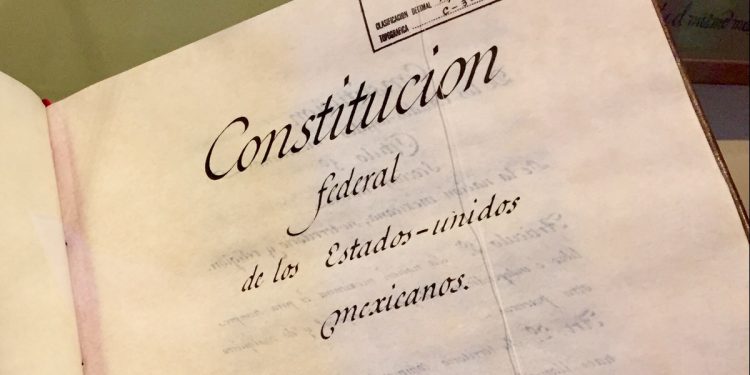
Día de la Candelaria on February 2nd isn’t a holiday in the sense of having the day off work, but it does come a few days before Mexico’s Constitution Day holiday, which is celebrated on the first Monday in February. That is also an official holiday, and for US sports fans it has the added advantage of usually being the day after Super Bowl Sunday.
So tamales and American football. It doesn’t get much more convenient, or neighborly, than that.
Learn more about food traditions in Mexico
Mexperience helps you to discover food traditions in Mexico:
- Kings’ Day gifts, delicious loaf, and the baby doll that determines who hosts the tamales party in February
- Foods at Christmas and other holidays in Mexico
- Learn about Pan de Muerto on Day of the Dead
- Learn more about Mexican Food and Drink.
- Mexican beers, liquors and cocktails
Mexico in your inbox
Our free newsletter about Mexico brings you a monthly round-up of recently published stories and opportunities, as well as gems from our archives.