





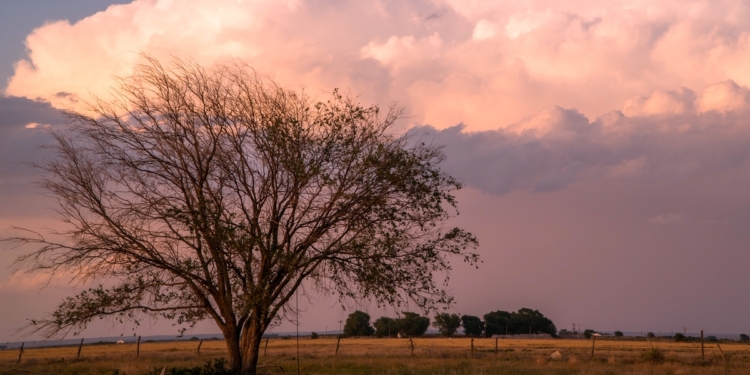
Mexico’s rainy season officially starts on May 15 and runs through October, although start and finish times vary from year to year. It’s only April, but it’s been raining in the center, south, and southeast of the country anyway. That’s not official rain, but it is wet, and for the most part welcome.
Unofficial rain in February and March comes under the auspices of the well known Mexican expression, “febrero loco, marzo otro poco,” which explains unpredictable weather frequently experienced during those months. If there’s an expression for something, then it’s all right.
One good thing about out-of-season rain, apart from the fact that it clears away city smog, is that it tends to be of short duration. It rains, and then the sun comes back out. It tends not to rain all night or early in the morning when people are scrambling to catch buses, Metro trains, or cabs to get to work.
There’s a neat Spanish expression for this —llueve, y escampa— it rains and clears up. This unfortunately isn’t used much in Mexico, although it is in Spain and many parts of Central and South America, according to an AI-enhanced Google search.
Mexico does, however, have a term for those heavy two-minute downpours that can get the pedestrian soaked through between the bus and the front door before coming to an abrupt halt: the self-explanatory lluvia moja pend***s.
Of course there’s no way of knowing how long a downpour will last, and most people don’t want to be stuck sheltering for an hour or more.
But back to llueve y escampa. The expression also has a figurative meaning, in the sense that things go badly and then they get better, a reason to look on the bright side. And Mexico is never one to sniff at sayings.